Estate planning, made legit
Your estate plan, done right — with a real person guiding you.
PlanLegit lets you create your own estate planning documents from Attorney Approved Documents — available in all 50 states — while your Coordinator, Curtis Andrews, walks you through the platform. You make every decision. You keep every document.
Your plan
The Ramirez Family Trust
- Revocable Living Trust
- Pour-over will
- Healthcare directive
- Financial power of attorney
- Funding checklist
Curtis is your assigned Coordinator. Not a call center — one trained guide, start to finish.
Without a plan
Someone else decides.
If you pass away without an estate plan, state law determines how your assets are distributed — which can exclude people you intended to include, create delays and added costs, and leave decisions up to the court.
You don't need to be wealthy to need an estate plan. You just need people you care about.
How it works
Four steps. No legal jargon.
A straightforward process you can complete at your own pace — with someone to call when you get stuck.
01
Answer guided questions
The platform walks you through a series of plain-language questions about your family, your assets, and your wishes. No legal vocabulary required.
02
Curtis guides you
Your PlanLegit Coordinator helps you navigate the platform and explains how it works. You stay in control — every decision about your plan is yours.
03
Get your documents the same day
Your documents assemble from Attorney Approved Documents and land in your secure vault, with clear instructions for signing, witnessing, and notarizing in your state.
04
Fund your trust with help
Signing isn't the finish line. Curtis helps you move assets into the trust — retitling accounts, updating beneficiaries, and handling real estate — so the plan actually works.
What's included
The documents that actually protect a family.
Revocable Living Trust
Keeps control during your lifetime, avoids probate, and keeps your affairs private. Individual or joint for married couples, domestic partners, and civil union partners.
Last Will & Testament
Names who receives what, and who raises your minor children.
Pour-Over Will
The safety net that sweeps anything left outside your trust back into it.
Advance Healthcare Directive
Your medical wishes, plus a medical power of attorney if you can't speak for yourself.
Financial Power of Attorney
Lets someone you trust pay bills and manage accounts if you're incapacitated.
Secure document vault
Encrypted storage with access you grant — and revoke — at any time.
Help funding your trust
A trust that isn't funded exists on paper only. Curtis walks you through retitling accounts, updating beneficiaries, and getting real estate into the trust.
The PlanLegit Coordinator difference
Software is easy. Doing it alone is the hard part.
Most online estate tools hand you a form and wish you luck. PlanLegit pairs you with a trained PlanLegit Coordinator who explains how the platform works, keeps you moving, and makes sure nothing gets left half-finished.
Coordinators provide education and platform guidance — not legal advice. You make every decision about your own plan.
They explain the options
Will vs. trust, joint vs. individual — in plain English.
They keep you on pace
Most families finish in one sitting instead of one someday.
They know the platform
Trained on every screen, every question, every document.
You stay in control
You choose. You approve. You sign. Always.
Your PlanLegit Coordinator
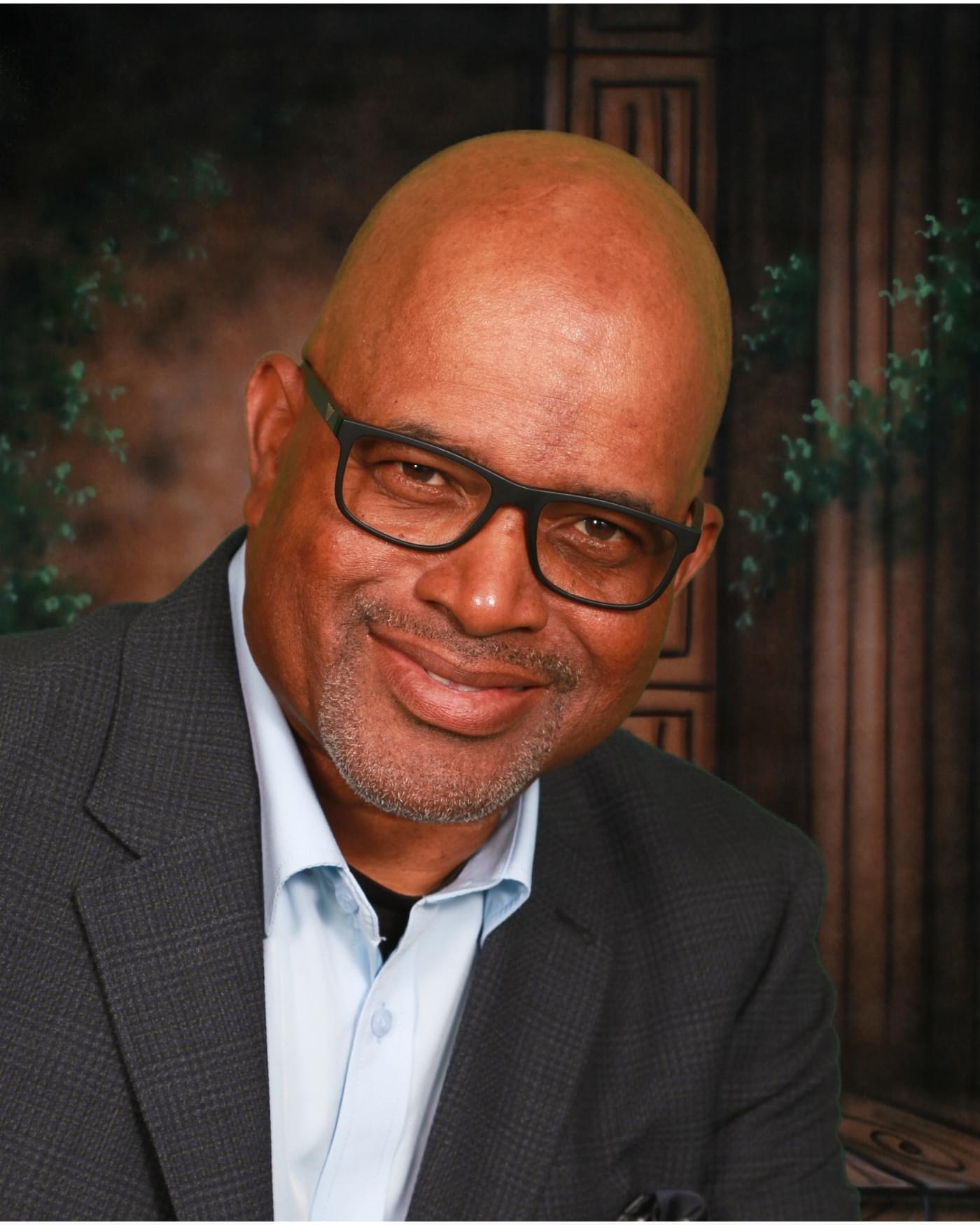
Curtis Andrews
PlanLegit Coordinator
New Genesis Financial
As a licensed financial professional and trust coordinator at New Genesis Financial, Curtis Andrews helps individuals and business owners plan to safeguard their wealth.
Focusing on financial growth, income protection, tax-advantaged strategies, and streamlined estate planning solutions, Curtis works to bridge the gap between wealth accumulation and a lasting family legacy.
Curtis is a PlanLegit Coordinator. Coordinators provide education and platform guidance — not legal advice. You represent yourself and make every decision about your own plan.
Pricing
Flat fees. Nothing hourly.
Every price below is an administrative fee for access to the software and related support — not a fee for legal services.
Estate Planning Guide
No account required
A plain-language starter guide covering wills, trusts, probate, and the documents every family should have.
- What happens with no plan
- Will vs. trust, explained
- Checklist to get organized
Legit Will
One-time administrative fee
For a straightforward estate: name your beneficiaries, name guardians for your children, and get it done at your own pace.
- Last Will & Testament
- Guardianship for minor children
- Healthcare directive & financial POA
- Secure document vault
Legit Trust
One-time fee · includes online account access, no annual fee
For families who want to avoid probate, keep things private, and control how and when assets pass on — with Curtis beside you.
- Revocable Living Trust (individual or joint)
- Pour-over will, healthcare directive & financial POA
- Hands-on help funding your trust — accounts, beneficiaries, real estate
- Unlimited updates, changes & restatements — no annual fee
- One-on-one PlanLegit Coordinator support
About PlanLegit
Families don't skip estate planning because they don't care.
They skip it because it's expensive, because the language is intimidating, and because there's no one to ask when they get stuck. PlanLegit exists to remove all three of those reasons. The plan isn't the point. The people are.
Option one
Hire an attorney
Thorough, and genuinely the right call for complex estates. But the cost and the formality stop a lot of families before they book the first appointment — so the plan never gets made at all.
Option two
Do it yourself online
Cheap and fast, right up until the question you can't answer. There's no one to ask, so the tab gets closed, the documents never get signed, and nothing ever gets funded.
Our mission
To make a complete, properly funded estate plan something an ordinary family can finish in an afternoon — at a price they can see up front, with a real person beside them the whole way.
Software, templates, and a person.
PlanLegit is built from three pieces. Take any one of them away and you're back to an option that loses people.
Attorney Approved Documents
The document templates behind the platform are attorney approved and available in all 50 states. You're not starting from a blank page or a generic form you found online.
Software that asks the right questions
Plain-language questions about your family, your assets, and your wishes — then the platform assembles your documents from your answers. No legal vocabulary required.
A trained PlanLegit Coordinator
One real person who knows the platform, explains how it works, and keeps you moving. Not a chatbot. Not a call center queue. The part that actually gets people to the finish line.
The principles the platform is built on.
Plain language beats legal language
If you can't explain a document to the person signing it, the document isn't finished. Everything on the platform is written to be understood the first time.
A flat fee you can see up front
No hourly billing, no meter running, no surprise invoice after a phone call. You know the number before you start — and it's an administrative fee for access to the software and related support, not a fee for legal services.
Signing isn't the finish line
An unfunded trust protects no one. Retitling accounts and updating beneficiaries is where most plans quietly fail, so it's a part of the process here — not an afterthought.
You should never be stuck alone at 9pm
The reason people abandon online legal forms is that they hit one question they can't answer. Having someone to ask is the difference between a finished plan and an open browser tab.
You make every decision
Coordinators provide education and platform guidance. Who inherits, who's trustee, who raises your children — those choices are yours, and they stay yours.
This shouldn't be only for the wealthy
You don't need a large estate to need a plan. You need people you care about and a preference about what happens to them.
Straight answers
What PlanLegit is — and what it isn't.
We'd rather you know exactly what you're getting before you spend a dollar.
What it is
- A software platform for creating your own estate planning documents
- A library of Attorney Approved Documents, available in all 50 states
- A guided process with a trained Coordinator who explains how it works
- A secure vault where your finished documents live
- A flat administrative fee for software access and support
What it isn't
- A law firm
- A provider of legal advice or legal representation
- An attorney-client relationship of any kind
- A substitute for a licensed attorney or tax advisor on complex matters
- A service that makes decisions on your behalf
If your situation is complex — a blended family, a business, property in more than one state, or a taxable estate — we'll tell you plainly that you should speak with a licensed attorney or tax advisor in your jurisdiction.
Questions → answers
The things everyone asks.
Still unsure? Email [email protected] and Curtis will get back to you.
What happens if I don't have an estate plan?
If you pass away without an estate plan, state law determines how your assets are distributed. This may exclude people you intended to include, create delays or added costs, and leave decisions up to the court.
Do I need an estate plan if I'm young, healthy, and not ultra high net worth?
Yes. Estate planning isn't just about age or wealth. It can help ensure someone can manage finances if you're incapacitated, your healthcare wishes are respected, and loved ones aren't left guessing in an emergency.
Should I get a will or a trust?
Both are common estate planning tools, and the right choice depends on your situation and goals. The platform guides you through questions that produce a best-fit recommendation based on your answers — but the decision is ultimately yours. A will explains who receives your assets and names guardians for minor children; it usually goes through probate but is easier to set up. A trust can manage assets during your lifetime, avoid probate, and give you more privacy and control over how and when assets are distributed.
What is probate?
Probate is a court process after someone dies, used to validate a will and distribute assets. It can be time-consuming, expensive, and public. Recent studies show the average length of probate is 532 days, at a cost of 3–8% of total assets.
What is a revocable living trust?
It's the most common trust used in estate planning. You place assets into the trust during your lifetime, stay in control of them while you're alive, and have them managed or distributed according to your instructions if you become incapacitated or pass away. It can be changed or revoked, helps avoid probate, and keeps your affairs private. Other types — irrevocable, charitable, dynasty — are typically used for more complex situations and often call for an estate planning attorney.
Should my spouse and I get a joint trust or two individual trusts?
The platform guides you through questions that suggest a best fit based on your answers, and the choice is yours. Note that only married couples, domestic partners, and civil union partners can create a joint trust within the platform.
What does it mean to fund a trust?
Funding means transferring assets into the trust so it can control and distribute them — retitling non-retirement brokerage accounts, listing the trust as a beneficiary, or using a deed to move real estate in. Without proper funding, a trust may exist on paper but won't actually control your assets. Commonly funded assets include real estate, bank accounts, brokerage accounts, personal property, and business interests.
What's a pour-over will, and why do I need one with a trust?
A pour-over will works alongside your trust. It directs that any assets not already in the trust at death be transferred into it — a safety net so everything follows the same plan.
What happens if a beneficiary passes away before me?
It's best to update your documents if you can. For documents made with the platform, if you're unable to update them, that beneficiary's portion is distributed equally to their surviving descendants (per stirpes). If there are no surviving descendants, distributions go to the surviving beneficiaries in the proportions you specified (pro rata).
Can I change my estate plan later, and how often should I review it?
Yes — you're encouraged to update your plan as life changes. A good rule of thumb is every 3–5 years, or after any major life event: marriage, divorce, birth or adoption of a child, significant changes in assets, or moving to a new state.
How are my documents stored and protected?
Your documents are stored securely using advanced encryption and can only be accessed by authorized individuals. You can share access with people you trust, and revoke that access at any time.
Can I get just a Healthcare Directive or Financial Power of Attorney?
Yes. You can create either one on its own, free, without starting a full plan. Create yours here.
Is PlanLegit a law firm?
No. PlanLegit provides self-help legal forms and educational resources. It does not provide legal advice and is not a law firm, and no attorney-client relationship is created by using the platform. You represent yourself, and you are responsible for reviewing and approving your own documents before signing. Any fee charged is an administrative fee for access to the software and related support, not a fee for legal services.
What does a PlanLegit Coordinator actually do?
A Coordinator gives you education and platform guidance: explaining terms, showing you how the process works, and keeping you moving. Coordinators do not give legal advice, interpret the law, or make choices for you — every decision about your plan is yours.
Who is my Coordinator?
Curtis Andrews of New Genesis Financial is your point of contact for guidance through the PlanLegit platform. Curtis provides education and platform guidance — not legal advice — and every decision about your plan stays yours.
For professionals
Add estate planning to your practice — without practicing law.
Advisors, insurance agents, and tax professionals use PlanLegit to bring estate planning to their clients as a guided platform. You provide access and general support; clients represent themselves and make their own decisions.
It only takes one afternoon to stop putting this off.
Start your documents online, or talk to Curtis first. Either way, you'll know exactly where your family stands by the end of the day.
Free — no credit card
Two documents that decide who speaks for you
If you could not speak for yourself tomorrow, someone would still have to make decisions about your care and your money. These two documents name that person in advance, in writing. Both are free here, and each takes a few minutes.
Creating your free document sets up your PlanLegit account, and your Coordinator is notified so they can help if you get stuck.
Pick one, or take both
Choose the document you need
Most families end up wanting both. They answer two different questions, and one does not stand in for the other.
Free Healthcare Directive
This says who makes medical decisions for you if you are unconscious, sedated, or otherwise unable to say what you want. It also lets you write down the care you would and would not want, so nobody has to guess.
Without one, a hospital may look to whoever is available, and your family may disagree at the worst possible moment.
- Names the person who speaks for you on medical care
- Puts your care wishes in writing, in plain language
- Free, and you can print or download it when you finish
Free Financial Power of Attorney
This lets someone you trust handle money matters for you, such as paying the mortgage, dealing with the bank and keeping the household running, if you are ill, injured or simply unavailable.
Without one, banks are not required to talk to your spouse or children, and the alternative is a court process nobody wants.
- Names the person who can act on your financial matters
- You choose how broad or narrow that authority is
- Free, and you can print or download it when you finish
Attorney Approved Documents, available in all 50 states.
How it works
Minutes, not appointments
01
Choose your document
Start with the Healthcare Directive, the Financial Power of Attorney, or both.
02
Answer plain questions
The platform asks who you trust and what you want, then builds the document from your answers.
03
Download and sign
Print or download it and follow the signing instructions included. Your Coordinator is there if you have questions.
Genuinely free. No charge for these two documents, no credit card, and no annual, renewal or subscription fee.
Straight answers
The questions people ask first
Is this really free?
Yes. Both documents are free, no credit card is requested, and there is no recurring or renewal charge.
Are these real documents?
They are Attorney Approved Documents, available in all 50 states, produced through a third-party software provider. You answer the questions, the platform builds your document, and signing instructions come with it.
What happens to my information?
Your details create your PlanLegit account and are shared with your Coordinator, who may reach out to see whether you need help finishing. We do not sell your information.
Is this a complete estate plan?
No. These two documents cover who acts for you while you are alive but unable to act for yourself. They do not decide what happens to your property after death.
It takes a few minutes
Name your person while it is still easy
PlanLegit is not a law firm and does not provide legal advice. No attorney-client relationship is created by using the platform.